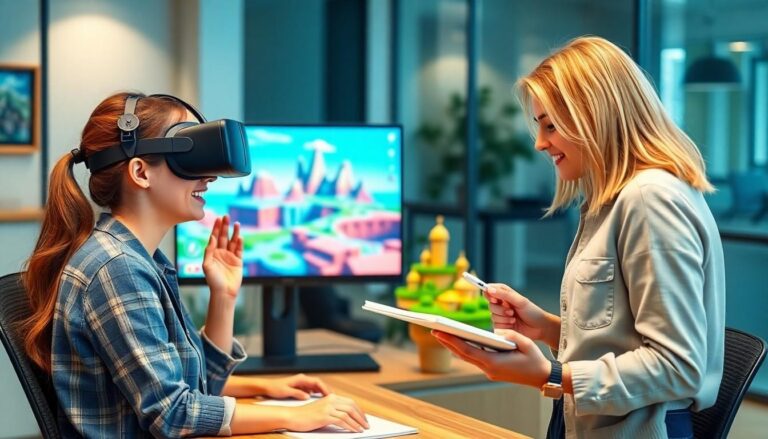
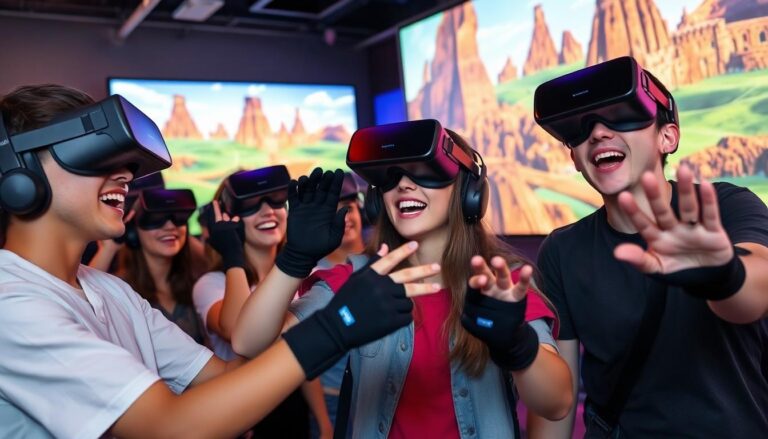
Imagine strolling through a virtual mall in your pajamas, sipping coffee while browsing the latest gadgets and fashion trends. Virtual reality ecommerce is transforming online shopping into an immersive experience that feels like a stroll down a bustling boulevard—minus the crowds and questionable food court choices.
With VR technology, shoppers can interact with products in ways that traditional online shopping simply can’t match. They can examine items from every angle, try on clothes virtually, and even visualize how that new sofa fits in their living room. This isn’t just shopping; it’s a whole new adventure that brings excitement back to the buying process.
Overview of Virtual Reality Ecommerce
Virtual reality ecommerce creates immersive online shopping experiences. Shoppers explore products in detail, with options to examine items from various angles. Interaction with merchandise enhances engagement, allowing users to virtually try on clothes or test makeup shades.
A significant benefit includes visualizing large items, such as furniture, in personal spaces before purchasing. Retailers incorporate VR technology to boost customer confidence and reduce return rates. Implementing VR tools can lead to more informed buying decisions.
Statistics show that 61% of consumers prefer retailers offering immersive experiences. Virtual fitting rooms illustrate how technology helps customers find the right size, ultimately streamlining the shopping process. Meanwhile, augmented projections of products can enrich user experience by personalizing selections based on preferences.
Retailers invest in VR solutions to adapt to changing consumer behaviors. Several thriving brands embrace virtual experiences, demonstrating effectiveness in increasing customer satisfaction. The integration of VR with traditional ecommerce strategies allows sellers to differentiate themselves in competitive markets.
Understanding customer behavior through VR analytics aids businesses in refining their sales approaches. Future VR developments likely include advancements in interactivity and realism, increasingly blurring the lines between physical and digital shopping environments. As these innovations unfold, virtual reality ecommerce stands poised to revolutionize the retail landscape.
Benefits of Virtual Reality Ecommerce
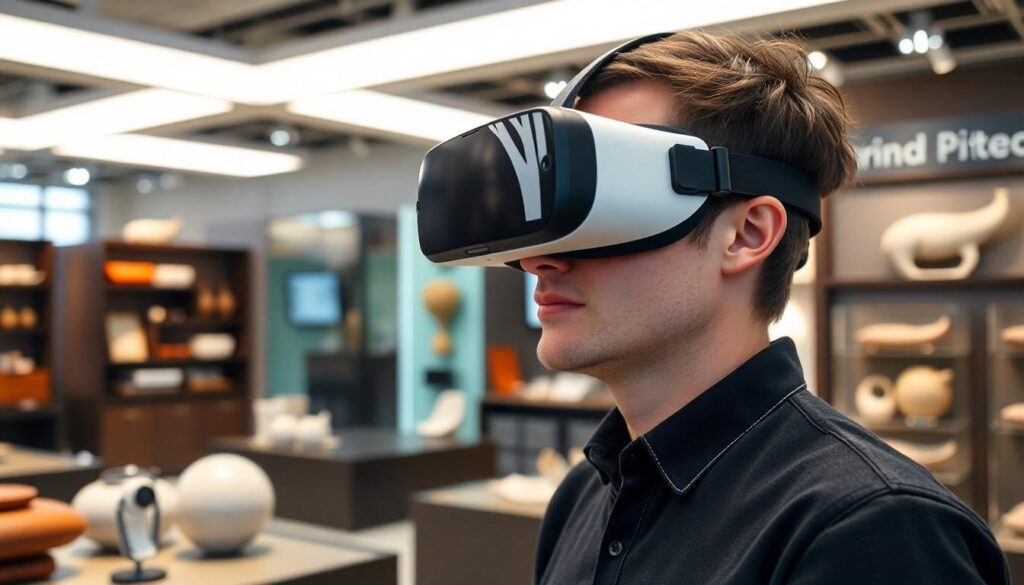
Virtual reality enhances the online shopping experience significantly. Shoppers can now engage with products in ways that were not previously possible.
Enhanced Customer Experience
An immersive environment allows customers to explore products thoroughly. Virtual showrooms enable a 360-degree view of items, showcasing details that traditional photos cannot capture. Engaging with products in a more lifelike manner often leads to greater satisfaction in purchases. Research shows that 61% of consumers favor retailers providing immersive experiences. This preference illustrates how VR influences buying decisions positively. Virtual fitting rooms, for instance, help customers determine sizes accurately, reducing uncertainty and increasing confidence. As a result, customers are more likely to make informed choices, which ultimately enhances overall shopping enjoyment.
Increased Engagement
Virtual reality captures consumer attention effectively, making shopping more dynamic. Interactive features, like customizable product options, encourage users to spend more time exploring. Success stories demonstrate that brands employing VR technologies see improved customer interaction. Virtual experiences mimic the excitement of physical stores, creating memorable moments for shoppers. Statistics reveal that immersive experiences lead to higher purchase intent, increasing the likelihood of customers completing sales. By offering an engaging platform, retailers can differentiate themselves in a competitive market, ultimately fostering loyalty among consumers.
Challenges in Virtual Reality Ecommerce
Adopting virtual reality in ecommerce presents several challenges. Businesses face distinct hurdles that can impact their ability to implement VR effectively.
High Implementation Costs
High implementation costs deter many retailers from adopting VR technology. Initial investment includes advanced hardware, software development, and ongoing maintenance. Businesses budget for VR headsets, which typically range from $200 to $1,000 each, depending on the model. Integrating immersive experiences into existing platforms adds to this financial burden. The cost for custom VR solutions can reach into the tens of thousands, making it challenging, especially for small businesses. Limited resources can hinder a company’s ability to compete in a rapidly changing ecommerce landscape.
Technical Limitations
Technical limitations also pose significant challenges in virtual reality ecommerce. VR technology requires robust internet connectivity to ensure seamless experiences. Slow connections can lead to lag or disconnection, frustrating users. Additionally, not all consumers own the required VR hardware, restricting accessibility. Compatibility issues among different devices can further complicate the user experience. Businesses must prioritize user-friendly platforms while navigating these technical constraints to maximize the potential of VR in their ecommerce strategies.
Successful Examples of Virtual Reality Ecommerce
Numerous brands have adopted virtual reality in ecommerce, successfully enhancing the shopping experience. These case studies illustrate the potential of VR to revolutionize retail interactions.
Retail Case Studies
IKEA exemplifies successful VR implementation with its IKEA Place app, allowing users to visualize furniture in their own homes. Warby Parker excels by offering virtual try-on experiences for eyeglasses, letting customers see how different frames look on their faces. Sephora incorporates VR through its Virtual Artist tool, which enables users to try on makeup virtually, leading to increased engagement and sales. Each of these brands leverages VR to create immersive experiences that resonate with consumers, contributing to higher customer satisfaction and loyalty.
Innovations in Virtual Try-Ons
Fashion retailers pioneered virtual try-ons, transforming how customers interact with clothing. Brands like ASOS utilize augmented reality for fitting, enabling users to see garments digitally. This innovation enhances the shopping experience, reducing uncertainty about fit. L’Oréal empowers consumers through virtual makeup trials that ensure they choose the right products. Enhanced interactivity in these applications leads to increased confidence in purchasing decisions, supporting the statistic that 61% of consumers prefer immersive experiences while shopping online. Each innovation strengthens brand loyalty and drives revenue, showcasing the effectiveness of virtual try-ons in ecommerce.
Future Trends in Virtual Reality Ecommerce
Virtual reality ecommerce continues to evolve, driven by significant technological advancements and integration with current retail trends. These developments shape the future of shopping experiences.
Advances in Technology
Emerging technologies propel virtual reality forward in ecommerce. Innovations such as 5G connectivity improve streaming speeds, enabling seamless immersive experiences. Additionally, artificial intelligence enhances personalization, delivering tailored product recommendations during virtual shopping sessions. Hardware improvements, particularly lighter and more affordable VR headsets, expand accessibility for users. Advances in augmented reality merge physical and digital shopping, allowing consumers to visualize products in real-time. Retailers can leverage these advancements to create engaging marketing strategies that resonate with today’s consumers, ultimately boosting customer satisfaction.
Integration with Other Retail Trends
Virtual reality increasingly aligns with other prevailing retail trends. The rise of social commerce promotes interactive shopping experiences, where VR platforms allow users to share virtual storefronts with friends. Sustainability also plays a vital role; brands employing VR can demonstrate eco-friendly practices, such as virtual previews of sustainable products. Furthermore, combining virtual reality with subscription services enhances customer loyalty, as consumers engage directly with their favorite brands. Integrating VR with omnichannel strategies ensures customers enjoy a cohesive shopping journey across platforms, increasing overall brand appeal. These integrations highlight how virtual reality ecommerce evolves alongside contemporary retail dynamics.
Virtual reality ecommerce represents a significant shift in how consumers engage with brands and products. By creating immersive shopping experiences, retailers can foster deeper connections with their customers. As technology continues to evolve, the potential for VR in ecommerce will only grow.
Brands that embrace this innovation stand to enhance customer satisfaction and loyalty while differentiating themselves in a crowded marketplace. The integration of VR with emerging technologies will further refine the shopping journey, making it more interactive and personalized.
With successful case studies paving the way, the future of virtual reality ecommerce is bright and full of possibilities. Retailers that adapt to these changes will not only meet consumer expectations but also redefine the online shopping experience.