In the world of consumer electronics, printed circuit boards (PCBs) are the unsung heroes. These little green wonders are the backbone of everything from smartphones to gaming consoles, silently orchestrating the symphony of technology that keeps us connected and entertained. Without them, your favorite devices would be as useful as a chocolate teapot.
But let’s be honest—PCBs aren’t exactly the life of the party. Most people don’t think about them until something goes wrong. Yet, understanding their role can turn anyone into a tech-savvy wizard. From enhancing performance to ensuring energy efficiency, PCBs are more than just a pretty face in your gadgets. Dive in to explore how these circuit boards make magic happen in your everyday electronics and why they deserve a little more love and attention.
Overview of PCBs in Consumer Electronics
Printed circuit boards (PCBs) serve as the backbone of consumer electronic devices. They connect various electronic components through conductive pathways, enabling functionality in products like tablets, televisions, and wearable technology. Each PCB design addresses specific performance requirements, ensuring energy efficiency and optimal operation.
Smartphones utilize multi-layer PCBs for compact design and enhanced capabilities. These complex boards accommodate numerous components, from processors to sensors, while minimizing space. Companies manufacture these PCBs using various materials, with FR-4 being the most common substrate due to its excellent insulating properties.
Gaming consoles depend on PCBs to handle graphics processing and audio output. High-speed data transmission occurs within these boards, leading to seamless gaming experiences. Manufacturers emphasize advanced PCB technologies, such as rigid-flex designs, to improve durability and flexibility in product applications.
Home appliances also rely on PCBs for reliable operation. Washing machines, microwaves, and refrigerators incorporate PCBs to regulate functions and provide user interfaces. Each board’s design prioritizes reliability and ease of manufacturing, contributing to overall consumer satisfaction.
In addition, the push for sustainability influences the PCB industry. Manufacturers explore eco-friendly materials and processes to reduce environmental impact. Regulatory standards encourage the development of recyclable PCBs, driving innovation in waste management and resource conservation.
Overall, the integration of PCBs in consumer electronics exemplifies their vital role in modern technology. By connecting essential components and improving performance, PCBs enhance user experiences and shape the future of electronic devices.
Importance of PCBs
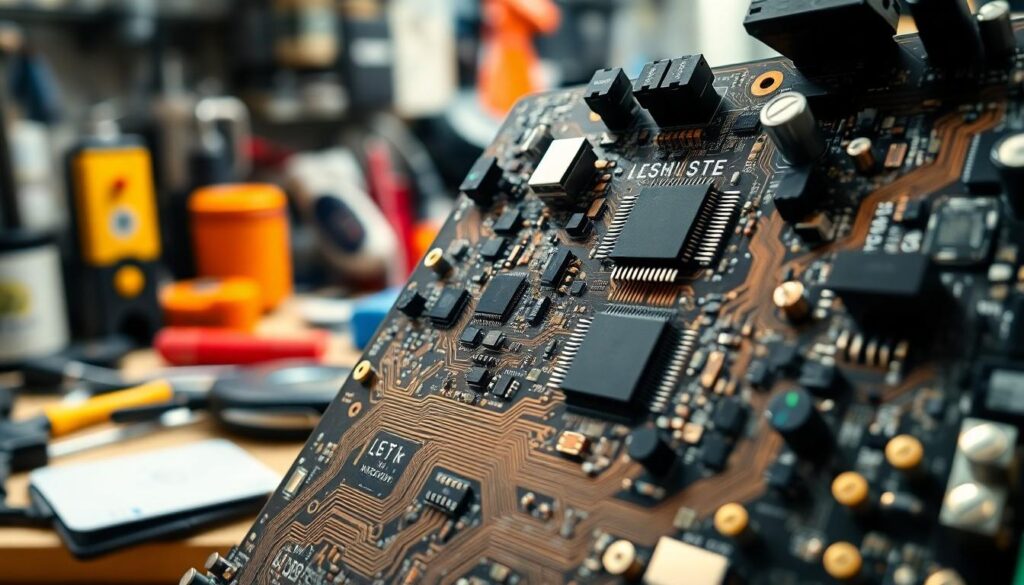
PCBs play a critical role in consumer electronics, acting as an essential link between various electronic components.
Functionality in Devices
PCBs support functionality in devices by providing the necessary paths for electrical signals. They connect critical elements like processors, memory chips, and sensors, enabling seamless communication among components. For instance, in smartphones, multi-layer PCBs maximize space while supporting complex features such as touchscreens and cameras. Similarly, tablets employ advanced PCB designs for lightweight performance and connectivity options, including Wi-Fi and Bluetooth. Gaming consoles rely on specialized PCBs to manage high-speed data transfer for graphics and sound. With their custom configurations, PCBs allow consumer electronics to operate efficiently and effectively, ensuring a smooth user experience.
Impact on Performance
PCBs significantly impact performance by influencing the speed and efficiency of electronic devices. High-quality PCBs enhance signal integrity and reduce power loss, resulting in improved overall functionality. For example, faster data processing in gaming consoles relies on rapidly responsive PCBs that manage heat and power distribution. In wearables, optimized PCBs extend battery life, balancing performance and energy consumption. Additionally, advancements in rigid-flex PCB technology improve durability while maintaining a compact design. This optimization directly correlates to enhanced device longevity and user satisfaction. Manufacturers consistently prioritize PCB design to meet the demands for high-performance electronics, ensuring devices can keep up with technological advancements.
Types of PCBs Used
Printed circuit boards come in several types, each designed for specific applications and functionalities in consumer electronics. Understanding these types helps in recognizing their roles in device performance.
Rigid PCBs
Rigid PCBs consist of a solid substrate that provides a stable platform for components. These boards are ideal for most consumer electronics due to their durability and structural integrity. Common applications include smartphones and televisions, where reliability is key. Rigid designs support complex circuitry, ensuring efficient signal transmission. They possess excellent thermal management properties, which aids in heat dissipation. Manufacturers often use rigid PCBs for their cost-effectiveness and ease of mass production.
Flexible PCBs
Flexible PCBs offer adaptability with a thin, bendable structure that conforms to various shapes. Common in wearables and smartphones, these boards enhance design flexibility. They reduce weight and space requirements in compact devices while still supporting complex interconnections. Flexible PCBs improve assembly efficiency by enabling integration in tight spaces. Manufacturers favor them for their ability to withstand bending and twisting, providing innovative solutions for modern electronics.
Rigid-Flex PCBs
Rigid-flex PCBs combine the best of both rigid and flexible technologies. These boards integrate rigid sections and flexible sections, designed for applications requiring complexity and compact layouts. Rigid-flex solutions excel in high-performance devices, such as drones and advanced medical equipment. They reduce connection points, which enhances reliability and minimizes failures. Stronger than flexible PCBs, they maintain adaptability while offering robustness. Manufacturers apply rigid-flex designs in applications that demand both stability and flexibility.
Environmental Considerations
Considerations regarding the environmental impact of PCBs in consumer electronics are increasingly important. The need for sustainable practices drives innovation and pushes the industry toward greener solutions.
Recycling and Disposal
Recycling PCBs presents significant opportunities for reducing electronic waste. Various methods exist to reclaim valuable materials such as copper, gold, and silver from discarded devices. Reputable organizations and companies specialize in PCB recycling, helping to minimize landfill contributions. Proper disposal of PCBs is crucial to prevent hazardous substances from entering the environment. Manufacturers often provide guidelines to ensure safe disposal practices for end-of-life electronic products. Investing in recycling initiatives not only conserves resources but also supports a circular economy.
Regulations and Compliance
Regulatory frameworks govern the use and disposal of PCBs across different regions. Compliance with regulations such as the Restriction of Hazardous Substances Directive (RoHS) promotes the reduction of harmful materials in electronic devices. Manufacturers must adhere to these standards to minimize environmental impact and protect health. Certifications related to environmental standards often influence consumer choices, emphasizing the importance of eco-friendly practices. Engaging in regular audits and assessments helps companies maintain compliance while driving innovations that support sustainability goals.
Future Trends in PCBs
The future of PCBs in consumer electronics focuses on innovation and sustainability. As technology evolves, new materials and design methodologies emerge, enhancing functionality and performance.
Innovation in PCB Design
Innovative PCB designs increasingly integrate advanced manufacturing techniques. Companies adopt techniques like 3D printing for rapid prototyping, facilitating faster production cycles. Multi-layer PCBs gain popularity for their ability to conserve space while offering superior performance. High-frequency applications benefit significantly from these cutting-edge designs, improving signal integrity and overall device efficiency. Designers also explore novel materials, such as graphene and flexible substrates, for enhanced properties. These innovations enable the creation of lighter, thinner, and more efficient devices that meet the demands of modern consumers.
Sustainable Practices
Sustainability drives change in the PCB industry as manufacturers adopt eco-friendly practices. Use of biodegradable materials and recyclable components reduces environmental impact significantly. Some companies develop closed-loop recycling systems, enabling the recovery of valuable metals from discarded PCBs. Compliance with regulations like RoHS promotes the elimination of hazardous substances, ensuring safer products. Manufacturers focus on supply chain transparency, sourcing materials responsibly to mitigate ecological damage. These sustainable practices resonate with environmentally conscious consumers, influencing their choices and fostering a greener future for electronics.
PCBs are indispensable in the realm of consumer electronics, driving innovation and performance across various devices. Their ability to connect essential components while optimizing energy efficiency is crucial for enhancing user experiences. As the industry shifts towards sustainable practices, the focus on eco-friendly materials and responsible disposal methods is reshaping the future landscape of PCBs.
With advancements in technology paving the way for more efficient designs and manufacturing processes, the potential for PCBs to evolve alongside consumer demands is immense. This ongoing transformation not only improves device functionality but also addresses environmental concerns, ensuring that the electronics of tomorrow remain both high-performing and sustainable.