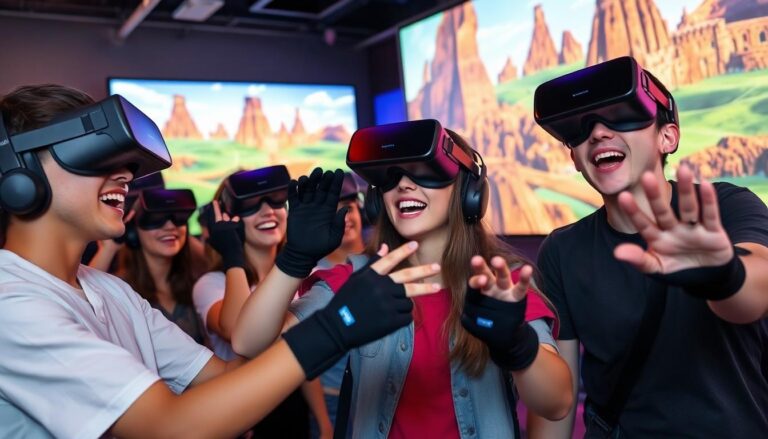
Virtual reality isn’t just for sci-fi movies anymore; it’s taken the gaming and entertainment world by storm. Imagine stepping into a game where you can swing a lightsaber or explore alien worlds without leaving your living room. Sounds like a dream, right? Well, it’s now a reality thanks to groundbreaking inventions that are changing the way people play and interact.
Overview of Virtual Reality Inventions
Virtual reality technologies have revolutionized how users interact with digital content. These inventions include advanced VR headsets, motion tracking sensors, and haptic feedback devices that heighten immersion. Companies like Oculus and HTC lead the way in developing headsets that deliver high-resolution visuals and surround sound, creating lifelike experiences.
Motion tracking systems enhance user engagement by measuring body movements in real time. These technologies allow players to physically navigate virtual environments, adding a new layer of realism to gaming. One innovative example is the Valve Index, which offers precise tracking of finger movements, enabling intricate gestures in gameplay.
Haptic feedback technology adds another dimension to play by providing tactile sensations. Users can feel the weight of virtual objects or even simulate impacts during gameplay. Products such as the Tesla suit, designed for VR environments, further immerse players in their experiences.
Social interaction within VR also advances through inventions like multiplayer platforms. Applications such as VRChat enable users to communicate and collaborate in shared virtual spaces. This social dimension transforms gaming into a more communal activity, encouraging connections between players worldwide.
Educational and training applications have also emerged through VR inventions. Institutions use immersive scenarios to teach skills, from emergency response to surgical procedures, providing practical experience. Businesses recognize that engaging simulations enhance understanding and retention of complex concepts.
Overall, the inventiveness in virtual reality drives innovation across various fields. Each advancement contributes to deepening engagement, enhancing realism, and expanding interaction possibilities.
Key Innovations in Gaming
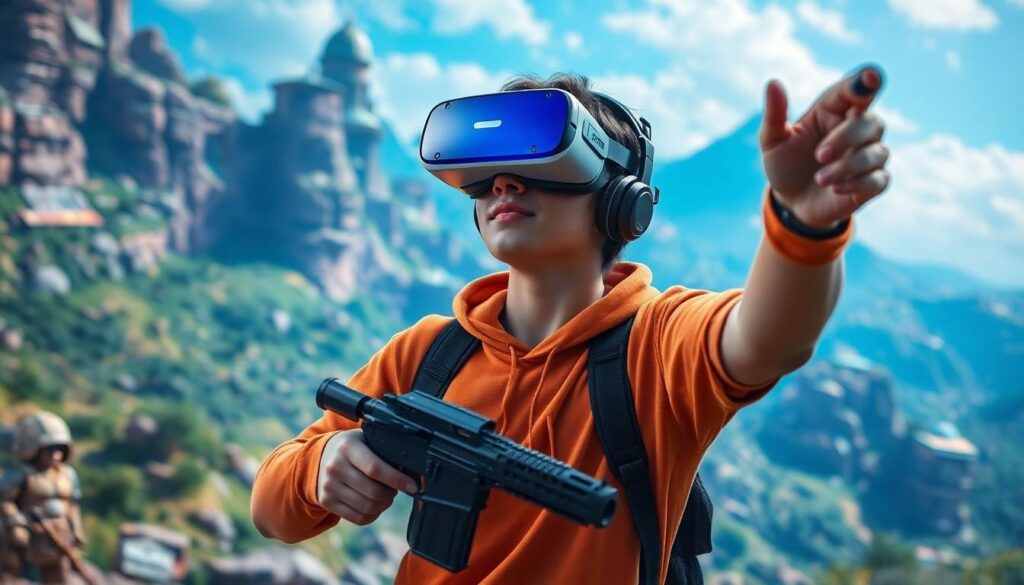
Innovations in virtual reality (VR) gaming shape immersive experiences that engage players in unprecedented ways. These advancements create opportunities for deeper interactions within digital environments.
Immersive Gameplay Experiences
Virtual reality offers players a fully immersive gaming experience. Users can wield weapons, explore vast landscapes, and participate in complex narratives as if they are part of the action. Advanced graphics technology enhances visual fidelity, making environments realistic. Players often report heightened emotional connections to characters and stories. The integration of sound design further deepens the experience, allowing subtle audio cues to impact gameplay. Immersive experiences encourage longer play sessions, leading to increased player retention. Companies like Oculus and HTC continue to iterate on headsets that push these boundaries, making VR more accessible and engaging.
Enhanced User Interaction
User interaction in VR reaches new heights through motion tracking and haptic feedback. Players physically navigate virtual worlds, experiencing a true sense of presence. Motion-sensing technology enables seamless control without intrusive interfaces, fostering natural movement. Haptic feedback devices enhance realism by providing tactile sensations that correspond to in-game actions. Players can feel the recoil of a weapon or the vibrations of a virtual environment, which creates a more authentic gaming experience. Multiplayer platforms encourage social interaction, allowing friends to engage together in shared spaces. Enhanced user interactions promote collaboration and competition, enriching the overall enjoyment of gaming.
Developments in Entertainment
Innovations in virtual reality continue to transform the entertainment landscape, offering users new ways to engage with content.
Virtual Reality Cinemas
Virtual reality cinemas provide a unique viewing experience, immersing audiences in films like never before. Users can feel as though they’re part of the action, enhancing emotional connections to stories. Immersive environments often surround viewers, allowing them to experience films from various angles. Many theaters are now incorporating VR screens, blending traditional film with cutting-edge technology. The first major VR cinema opened in 2019, and since then, many industry leaders have explored this format. With advances in graphics and sound, virtual reality cinemas attract larger audiences, creating a buzz around new film releases.
Interactive Storytelling
Interactive storytelling leverages virtual reality to enrich narratives and engage audiences more effectively. In these experiences, viewers can influence plot outcomes, leading to personalized adventures. Developers use branching storylines that adapt based on user choices, creating diverse storytelling pathways. Games like “The Walking Dead: Saints & Sinners” allow players to interact with the narrative, shaping their journey through decision-making. By merging gameplay elements with storytelling, creators foster deeper emotional investments in characters. Furthermore, this innovation allows writers to experiment with narrative structures, leading to innovative creations that captivate audience interest.
Impact on the Gaming Industry
Virtual reality gaming significantly alters the landscape of player interactions and game design. The essence of gaming experiences has transformed, leading to heightened engagement and creativity.
Changes in Player Engagement
Players experience an immersive journey through virtual reality, where the line between reality and the digital world blurs. Engagement levels surge as users navigate environments actively, making choices that impact gameplay. Statistics show that VR gamers spend approximately 30% more time playing than traditional gamers. Socializing within these platforms fosters community, allowing friendships to thrive in shared virtual spaces. Additionally, receiving immediate feedback through haptic technology enhances emotional responses, creating memorable experiences. Players no longer just observe; they engage in the narrative, contributing to a sense of ownership over their journeys.
Evolution of Game Design
Game design adapts quickly to incorporate VR advancements, emphasizing user interactivity. Developers prioritize innovative mechanics that leverage motion tracking and immersive storytelling. Creation involves building environments that replicate real-life physics, making gameplay feel authentic. Many new titles feature branching narratives, allowing players to influence outcomes directly. Consequently, game genres expand, inviting experimentation with non-linear plots. Each design choice considers player feedback, ensuring a dynamic evolution in gameplay experiences. Overall, VR technology reshapes how games are conceptualized, highlighting the importance of interaction and immersion for modern gamers.
Future Trends in Virtual Reality
Innovations in virtual reality are evolving rapidly, setting the stage for impactful future trends. Enhanced graphics technology will further immerse users in realistic environments. As developers focus on creating hyper-realistic physics, players will experience challenges that mirror real-life scenarios.
Social interactions in VR gaming appear poised for growth. Expect multiplayer platforms to expand, fostering deeper connections among players. Upcoming features may include advanced voice recognition, allowing for seamless communication within virtual spaces.
User-generated content will likely gain prominence, granting players tools to craft their own experiences. Such a shift empowers creativity and expands the variety of available games. As a result, the community thrives as individuals share and showcase their creations.
Accessibility improvements promise to make VR experiences available to a wider audience. Upcoming simulations could feature lowered hardware requirements while maintaining high-quality visuals. Alongside this, cross-platform capabilities may allow users to interact seamlessly across different devices.
Training applications show promise for future VR trends. Industries such as healthcare may soon implement VR for immersive skill-building exercises, improving retention and understanding. Analytics indicate companies utilizing VR for training see faster onboarding and enhanced employee performance.
Concerns surrounding user safety and mental health will drive developers toward creating more responsible VR experiences. As awareness of potential effects grows, tools to limit usage time and encourage breaks may be integrated into platforms.
Overall, advances in technology, social features, and accessibility measures will shape the future of virtual reality. Users can expect a richer, more connected, and thoughtful landscape in gaming and entertainment.
The advancements in virtual reality are revolutionizing the gaming and entertainment landscape. With immersive experiences becoming more accessible and engaging players in unprecedented ways, the future of VR looks promising. Innovations in technology are not just enhancing gameplay but also fostering social connections and community building.
As developers continue to push the boundaries of what’s possible, VR will likely play a crucial role in various sectors beyond gaming, including education and training. With ongoing improvements in graphics, interactivity, and accessibility, audiences can expect richer experiences that blend reality with the virtual world seamlessly. The journey into the next era of entertainment has just begun, and its potential is limitless.