
In today’s digital age, the cloud isn’t just a fluffy thing floating in the sky; it’s a powerhouse for businesses seeking efficiency and scalability. Imagine having a database that can grow with your needs, without the hassle of hardware upgrades or maintenance. That’s the magic of cloud computing databases. They not only save time but also spare users from the headache of managing physical servers.
Overview of Cloud Computing Databases
Cloud computing databases represent a critical advancement in data management. These databases operate over the internet, allowing users to store, manage, and access data remotely. Businesses enjoy flexibility, as cloud databases easily scale according to needs. Enhanced data accessibility ensures teams can collaborate more efficiently, regardless of their physical locations.
Various deployment models exist, including public, private, and hybrid. Public cloud databases provide cost-effectiveness, while private ones offer heightened security. Hybrid solutions combine the benefits of both, allowing organizations to customize their data storage strategies.
Key characteristics of cloud databases include automatic backups, fault tolerance, and data redundancy. Automatic backups protect data integrity by minimizing the risk of loss. Fault tolerance ensures continued operation, even during unexpected failures. Data redundancy places copies of data in multiple locations, enhancing security and availability.
Common use cases involve managing large datasets, running applications, and supporting analytics. Companies such as Google Cloud Platform and Amazon Web Services provide robust cloud database services. These platforms enable businesses to leverage powerful analytics tools, fostering informed decision-making.
Data security remains a significant concern. Encryption, access controls, and regular audits protect sensitive information in the cloud. Compliance with regulations like GDPR strengthens data governance practices, ensuring organizations adhere to legal standards.
The future of cloud computing databases looks promising. Advancements in AI and machine learning are set to improve data management and analysis. Automation capabilities will streamline many database functions, allowing businesses to focus on growth and innovation.
Types of Cloud Computing Databases
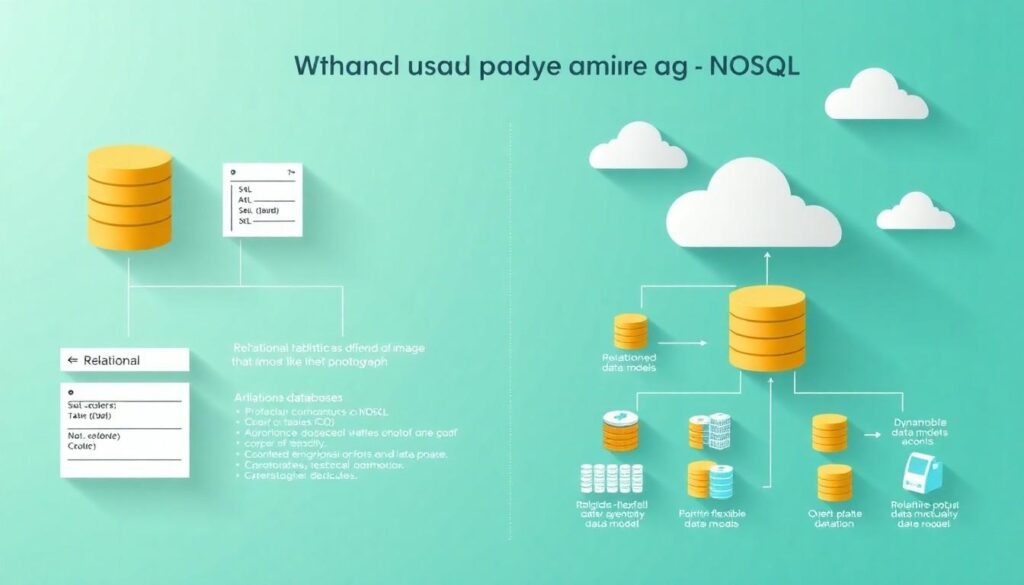
Cloud computing databases categorize into two primary types: relational databases and NoSQL databases, each catering to specific data management needs.
Relational Databases
Relational databases structure data in tables, using rows and columns to create relationships between datasets. Users often employ Structured Query Language (SQL) for data manipulation and retrieval, ensuring efficient transactions and data consistency. Many organizations rely on relational databases for applications requiring complex queries, data integrity, and ACID (Atomicity, Consistency, Isolation, Durability) compliance. Major providers, including Amazon RDS and Google Cloud SQL, offer powerful solutions that cater to scalability needs. Integration with other services enhances functionality, enabling businesses to manage structured data effectively.
NoSQL Databases
NoSQL databases differ significantly by allowing unstructured and semi-structured data storage, accommodating various data types. They support flexible schemas, enabling rapid scaling and dynamic data models, ideal for big data applications. Popular among developers, NoSQL databases like MongoDB and Amazon DynamoDB prioritize performance and quick data retrieval over strict consistency. Users often favor these databases for applications involving real-time analytics, content management, and high-velocity transactions. By accommodating diverse data formats, NoSQL solutions facilitate innovative applications across industries.
Advantages of Cloud Computing Databases
Cloud computing databases offer critical benefits for modern businesses. Key advantages include scalability and cost-effectiveness.
Scalability
Scalability stands out as a major benefit of cloud computing databases. Organizations can effortlessly adjust their resources based on workload demands. Rapid growth or seasonal spikes in data usage pose no problems, as these databases can automatically scale up or down as needed. Users experience minimal disruption while maintaining performance. In contrast to traditional databases, cloud solutions allow for adding or removing resources without extensive downtime. This flexibility supports companies of various sizes, enabling them to adapt quickly to changing market conditions.
Cost-Effectiveness
Cost-effectiveness represents another significant advantage of cloud computing databases. Businesses no longer incur hefty upfront costs for hardware or software. Many cloud providers operate on a pay-as-you-go model, which means companies pay only for the resources they use. Operational costs decrease substantially, as maintenance and upgrade responsibilities fall on the provider. Long-term savings accumulate when companies avoid investing in dedicated infrastructure. Transparent pricing structures help organizations plan their budgets efficiently and allocate resources appropriately. This financial flexibility empowers organizations to invest more in innovation and growth initiatives.
Challenges in Cloud Computing Databases
Several challenges arise with cloud computing databases, particularly in areas like security and reliability.
Security Concerns
Data security remains a top priority for organizations utilizing cloud computing databases. Cyber threats, such as data breaches and unauthorized access, pose significant risks to sensitive information. To mitigate these risks, encryption and robust access controls must be employed. Companies often face compliance challenges with regulations like GDPR, requiring stringent measures to safeguard data. Regular security audits and real-time monitoring play crucial roles in identifying vulnerabilities. As a result, ensuring security in cloud environments demands continuous attention and proactive strategies.
Downtime and Reliability
Downtime can severely impact business operations and user experience. Providers often encounter outages due to maintenance or unexpected failures, leading to potential data loss or accessibility issues. Companies depend on Service Level Agreements (SLAs) to guarantee uptime and performance levels. Reliability hinges on a provider’s infrastructure and redundancy measures. It’s vital for organizations to consider backup solutions to minimize data loss during downtimes. Proactive monitoring and quick recovery plans enhance reliability in cloud services.
Future Trends in Cloud Computing Databases
Advancements in artificial intelligence and machine learning are transforming cloud computing databases. These technologies improve data analysis and management, enabling organizations to derive valuable insights from large datasets. Automation plays a key role in streamlining database operations, thus reducing manual intervention. Businesses can optimize performance through automated scaling and resource allocation.
Adoption of multi-cloud strategies is on the rise. Organizations leverage multiple cloud providers to enhance flexibility and reduce vendor lock-in. This approach allows for better resource utilization across platforms, maximizing performance.
Serverless architecture offers exciting possibilities. With serverless, users can run applications without managing the underlying server infrastructure, enabling developers to focus on code and functionality. This trend simplifies deployment and scales automatically based on demand.
Real-time data processing becomes increasingly important. Businesses require immediate access to data for decision-making, leading to an emphasis on databases that support streaming analytics. Real-time capabilities foster agility and responsiveness in various industries.
Enhanced security measures are critical as cyber threats evolve. Innovative encryption techniques and advanced access controls will protect sensitive information. Emphasis on regulatory compliance ensures organizations meet evolving legal requirements, mitigating risks associated with data mishandling.
Emergence of edge computing complements cloud databases. This trend brings computation closer to data sources, reducing latency and improving response times. As edge devices proliferate, compatibility between edge and cloud databases becomes essential.
Finally, the rise of blockchain technology presents unique opportunities. Integration of blockchain with cloud databases can enhance data integrity and transparency. This trend will be particularly useful in industries requiring robust traceability and secure transactions.
Cloud computing databases are revolutionizing how businesses manage and utilize data in today’s fast-paced environment. Their ability to provide scalability and cost-effectiveness enables organizations to adapt to changing demands without sacrificing performance. As technology continues to evolve, the integration of AI and machine learning will further enhance data management capabilities.
While challenges like security and reliability remain, proactive strategies and advanced measures can mitigate risks. The future holds exciting possibilities with emerging trends such as multi-cloud strategies and serverless architecture. By embracing these innovations, businesses can ensure they stay competitive and responsive in a data-driven world.